Colovore Opens Second 9MW High-Density, Liquid-Cooled Data Center inSanta Clara
Silicon Valley’s leader in high performance colocation for AI and GPUservers continues rapid expansion
Tomek Mackowiak FOR IMMEDIATE RELEASE
Colovore
tomek@colovore.com
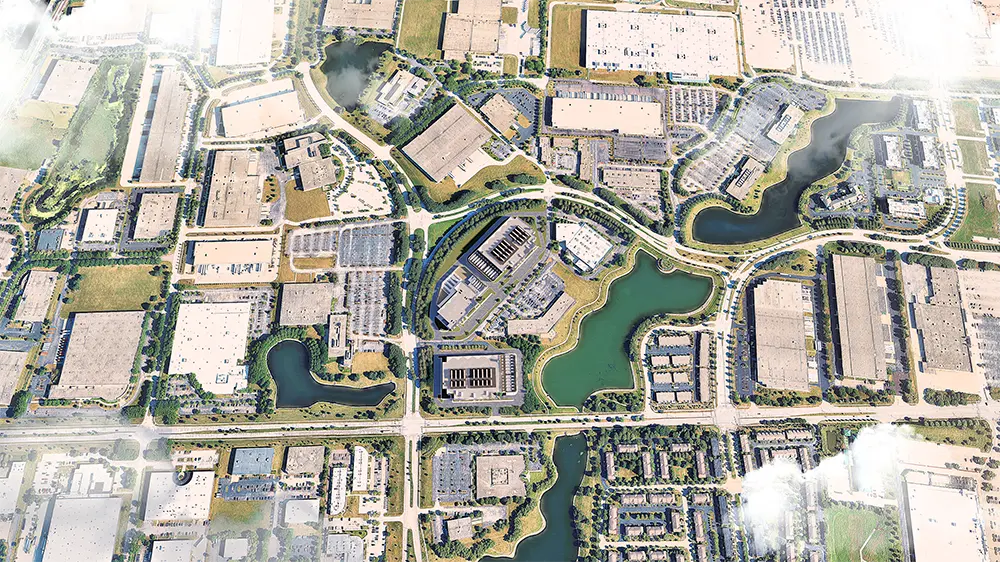
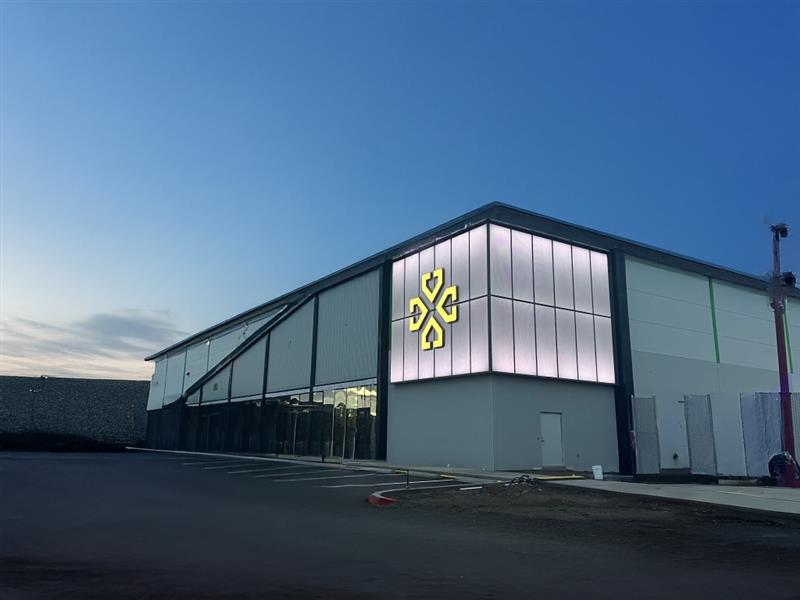
Santa Clara, CA: Colovore will bring its newest liquid-cooled 9MWdata center online in Santa Clara in December 2024 at 3060 Raymond Street.Immediately adjacent to its first data center at 1101 Space Park Drive, SJC02will support industry-leading power densities up to 250kW per cabinet andfeature liquid-cooling wall-to-wall. The facility is optimized to support thedeployments of AI, GPU, and heavy compute server infrastructure, and bringssorely needed capacity to the Silicon Valley data center market which issignificantly constrained by lack of available power.
Like all Colovore data centers,each cabinet will be delivered with a primary liquid loop connection, a reardoor heat exchanger, and high-capacity power circuits, making it easy to deployadvanced AI/ML systems at scale. All cabinets can support direct liquid cooledserver connections as a standard offering, providing a robust and easy solutionfor customers looking to deploy NVIDIA NVL 72 or other similar water-cooledserver platforms that most data centers are not designed to support. Customerscan deploy in increments as small as a single cabinet, or up to multiple MW ofcontiguous capacity.
The rise in AI compute has put astrain on legacy, air-cooled data center designs which are struggling to handlethe power required and intense heat loads generated by these modern servers.From its inception 12 years ago, Colovore was designed from the ground-up withliquid cooling in order to deliver reliable, robust and scalable power andcooling capacities in every cabinet. Customers have benefitted from thesignificant reduction in TCO, improved application performance, and easyscalability achieved by the ability to deploy their servers at Colovore in thesmallest footprint possible. And demand for AI-optimized, liquid-cooledcolocation is exploding, fueling Colovore’s expansion in Silicon Valley, aswell as new markets including Reno and Chicago.
“We are staying ahead of AI andcompute hardware needs with our robust power and liquid cooling design whichwe’ve now been successfully operating for 12 years,” said co-founder BenCoughlin, “and we’re delighted to bring much needed capacity to the constrainedSilicon Valley market.”
“Our newest facility at 3060Raymond is an evolution of our core design that will make it easy forenterprise clients to deploy the most advanced AI compute infrastructure,”added co-founder Peter Harrison. “Customers from Fortune 500s to startups areinvesting significant money in their AI applications and services, but thereality is there are few data centers specifically engineered to support thatinfrastructure—and this is our specialty.”
In partnership with its newinvestor King Street, Colovore is expanding its data center footprintnationally and has already announced new facilities planned in Reno andChicago, with more markets on the way.
About Colovore
Colovore is a leading provider ofliquid-cooled, high power density colocation services designed to
natively support next-gen computeand AI infrastructure at scale. Founded in 2012, Colovore provides the
most robust, scalable, andcost-efficient data center solutions for customers ranging from Fortune 500
enterprises to Silicon Valleystartups.
###
Sign up for updates straight to your inbox
By subscribing you agree to with our Privacy Policy and provide consent to receive updates from our company.
Latest articles